Siemens Meets at the Machine to Bridge the Gap Between Design and Production
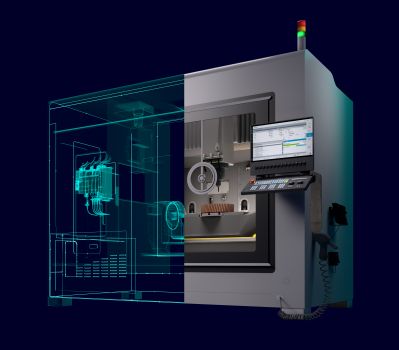
While the manufacturing blueprint is simple -- turn an idea into a physical product as fast as possible -- the reality on the factory floor is rarely seamless. Frustrating invisible walls often separate design engineers from the machinists cutting metal, trapping critical information in silos and introducing complexity across the machining lifecycle.
To break down these barriers, the industry needs a shift toward absolute continuity: a single, unbroken workflow where engineering, programming, validation, and production exist in the same parallel ecosystem. Operating this way allows manufacturers to radically compress their ramp-up times, eliminate operational friction, and keep their performance metrics climbing.
A Shared Sandbox for the Factory Floor
Realizing this level of integration is too big a task for any single company to tackle alone. It requires a unified effort across the machine tool ecosystem.
Recognizing this gap, Siemens recently introduced Meet at the Machine, a collaborative initiative with TRAK Machine Tools designed to fundamentally reshape how the industry solves problems. Rather than operating in separate bubbles, machine builders, software developers, and automation technology experts are pulling up chairs to the same table. The goal is straightforward: build integrated solutions for real-world manufacturing bottlenecks so manufacturers can achieve peak productivity much faster.
This ecosystem approach drives value from two distinct angles:
- For Machine Builders: By blending deep mechanical expertise with advanced software and CNC automation, builders can move past selling standard hardware. They can offer highly differentiated, intelligent machines that provide immediate, measurable value to the end user.
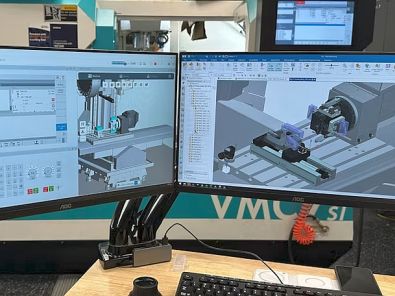
- For Manufacturers: This collaboration lets shops handle preparation, programming, and simulation much earlier in the cycle. It clears the path to productive machining by catching errors digitally before they cost time and money on physical equipment.
Flipping the Production Timeline
The first major focus of the Meet at the Machine initiative tackles one of the oldest pain points in the industry: the dead time spent waiting for a new machine tool to arrive on the factory floor.
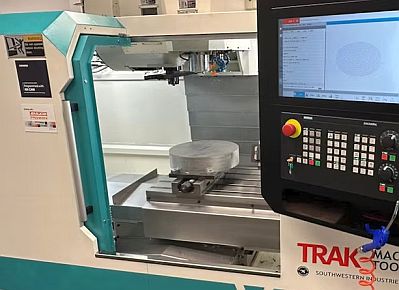
Traditionally, the clock only starts once the hardware is bolted down. Operators are trained, programs are written, and fixtures are validated while a million-dollar asset sits idle.
The initiative flips this timeline entirely.
By leveraging precise digital twins and integrated software, teams can program parts, run full-motion simulations, validate code, and train staff while the actual machine is still being assembled at the factory. By the time the physical rig is delivered, the operation is ready to run. The ramp-up time plummets, turning what used to be weeks of troubleshooting into a fast track straight to the first finished part.
By bridging the gap between hardware and software from day one, manufacturing is finally moving toward a future where the distance between an idea and a finished part is shorter than ever.
Want more information? Click below.
Rate this article
View our terms of use and privacy policy ::m::